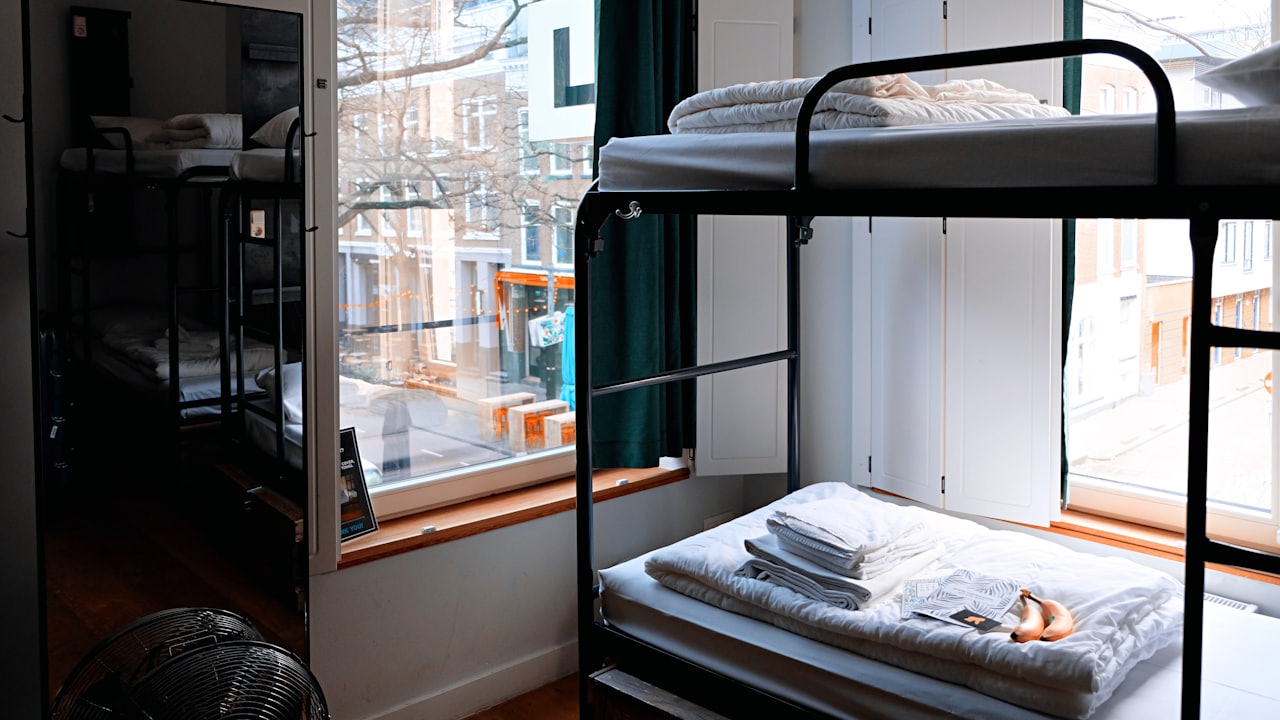
A well-designed boarding house earns more per square meter than almost any other small rental, because you are renting per bed or per room, not per unit. But the same design can quietly bleed money if the layout wastes space, the utilities are a guessing game, or the house rules are a free-for-all. This guide walks through boarding house, bedspace, and dormitory design for the Philippine market, income-smart layouts, a low-budget build approach, the house rules you need, and how to keep it all running when tenants come and go.
Boarding house vs bedspace vs dormitory: what you are actually building
These three overlap, but the differences shape your design and your billing:
- Bedspace means renting one bed in a shared room. It is the cheapest option for tenants and the highest income per square meter for you, popular near schools, hospitals, and BPO hubs. Higher turnover comes with the territory.
- Boarding house rents out rooms or beds in a residential house, with shared kitchen and bathrooms, house rules, and often a live-in owner or caretaker.
- Dormitory is the bigger, more systematized version, many rooms or beds in a purpose-built building, usually near a campus or office, run with formal check-in and check-out.
Whichever you build, the money math is the same: more beds per square meter means more income, but also more billing, more utilities to split, and more rules to enforce. Good design makes all three easier.
Income-smart layout: design for revenue per square meter
The single biggest design decision is how many beds you fit per room without making it unrentable. Pack too tight and tenants leave; too loose and you give away income. A few principles that pay off:
- Stack identical rooms. Put the same room layout directly above each other on every floor so plumbing and electrical runs line up, this is the cheapest way to build and the easiest to maintain.
- Share wet areas smartly. A common ratio is one bathroom per 4 to 6 tenants and a shared kitchen per floor. Too few and you get complaints and turnover; too many and you waste buildable space.
- Plan circulation. Hallways, stairs, and a small common area are not wasted space, they reduce friction and keep tenants longer.
- Design for the meter. Sub-meter each room or floor for electricity, or at least design so you can later. Fair, transparent utility billing is the number one peace-keeper in shared housing.
Bedspace earns the most per square meter, boarding-house rooms earn a bit less but attract longer-staying tenants. Many operators mix both, a few private rooms for stability plus bedspace for yield. Weighing whole units instead? See our guide to apartment design in the Philippines.
A low-budget, simple boarding house design that still works
You do not need an architect-grade build to run a profitable paupahan. A simple, low-budget boarding house design in the Philippines usually comes down to a few smart choices:
- Keep the footprint rectangular. Square and rectangular structures are cheaper to build and waste less space than irregular shapes.
- Repeat one room module. Design one good room, then repeat it, identical rooms cut design cost, material waste, and future repairs.
- Spend where tenants feel it daily. Reliable water pressure, ventilation, fans or good airflow, and secure doors and locks matter far more than fancy finishes.
- Use durable, low-maintenance materials. Tiled floors over wood, washable paint, and simple fixtures survive high turnover and cut your repair bills.
- Build for cleaning and turnover. Surfaces that wipe down fast mean you can flip a bed in hours, not days, which directly protects your income.
The goal is not the cheapest building, it is the lowest cost per rentable bed that tenants will actually stay in.
Compliance: permits and the rules you cannot skip
A boarding house is a business and a building, so it sits under both business and safety rules. Before you accept a single tenant, make sure you have your barangay clearance, business permit (mayor's permit), and DTI registration, and that the structure meets the National Building Code and basic fire-safety requirements (clear exits, fire extinguishers, proper wiring). Register with the BIR and issue receipts, your rental income is taxable. If your units fall under it, the Rent Control Act (RA 9653) also caps deposits and advances and limits rent increases.
House rules and regulations every boarding house needs
Want the full list ready to print? Copy the complete house rules sample for tenants, it includes a boarding house and dorm add-on section.
In shared housing, clear written rules are not bureaucracy, they are what keeps the peace and protects your income. Put them in writing, attach them to the contract, and have every tenant acknowledge them on day one. At minimum cover:
- Visitors and curfew, who can come in, until when, and overnight-guest policy.
- Noise and quiet hours, especially important for students and night-shift BPO tenants sharing a roof.
- Cleanliness and shared duties, kitchen, bathroom, and common-area upkeep.
- Utilities, how electricity and water are split and billed, and when.
- Payment, due dates, accepted methods, and late fees.
- Grounds for eviction, so there is no argument when a rule is broken.
Back the rules with a proper contract. Use our free sample contract of lease, and when a tenant falls behind, a demand letter for unpaid rent is your first formal step.
The hidden challenge: managing high turnover
Bedspace and dorms turn over fast, a tenant moves out, a new one moves in within days. That is great for occupancy but brutal on record-keeping if you run it on a notebook or Messenger. Each move means a new contract, a deposit, a meter reading, a receipt, and a fresh set of house rules acknowledged. Miss one and you lose money or invite a dispute.
This is where boarding houses live or die operationally. The operators who scale past a few beds are the ones who systematize onboarding and billing, so adding a tenant takes minutes, every payment is logged, and occupancy is always accurate. Design the building well, then run it on a system that keeps up with the turnover your design creates.
Frequently asked questions
What is bedspace?
Bedspace is renting one bed in a shared room rather than a whole room or unit. It is popular near schools, hospitals, and BPO hubs because it is the cheapest way to live close to work or class, and it earns the operator more income per square meter than renting whole rooms.
What is the difference between a dormitory and a boarding house?
A boarding house rents rooms or beds in a residential house with shared facilities and house rules, often with a live-in owner. A dormitory is a larger, more institutional building of many rooms or beds, usually near a school or office, run with formal check-in and check-out. The design and billing are similar; the dorm is just bigger and more systematized.
How do I design a low-budget boarding house in the Philippines?
Keep the structure simple and rectangular, repeat one room module so plumbing and wiring line up, share bathrooms and a common kitchen, sub-meter utilities, and use durable low-maintenance finishes. Spend on water pressure, ventilation, and security; save on cosmetic finishes.
What house rules should a boarding house have?
Visitors and curfew, noise and quiet hours, cleanliness and shared duties, kitchen and appliance use, utility cost sharing, payment due dates and late fees, and grounds for eviction. Put them in writing, attach to the contract, and have every tenant acknowledge them on day one.
Is a boarding house a good business in the Philippines?
Yes, renting per bed or room earns more per square meter than a whole-unit rental, and demand near schools, hospitals, and BPO hubs is steady. The trade-off is higher turnover and more day-to-day management, which is exactly what a management app is built to handle.
A profitable boarding house is design plus discipline, a layout that earns its square meters, rules that keep the peace, and a system that survives the turnover. Get the design right, then let software handle the billing, utilities, and onboarding so your time goes to growing, not chasing. When you are ready, you can start free with ArmaRenta, built for boarding houses, bedspace, and dorms.
Sources & further reading
- Business registration for a rental enterprise, Department of Trade and Industry, bnrs.dti.gov.ph.
- National Building Code of the Philippines (PD 1096) and Fire Code (RA 9514), full texts at the Lawphil Project.
- Rent Control Act of 2009 (RA 9653) and BIR registration, see bir.gov.ph.
- Our related guides: how to start a paupahan business, sample contract of lease, Rent Control Act (RA 9653), and rental income tax.
This article is general information for Filipino landlords, not legal, tax, or engineering advice. Permit and building requirements vary by LGU, confirm with your barangay, city hall, and a licensed professional before building.

Eli is the founder of ArmaRenta, the property management app built for Filipino landlords. He writes about running a paupahan the smart way, clear contracts, on-time rent, and staying compliant without the stress.