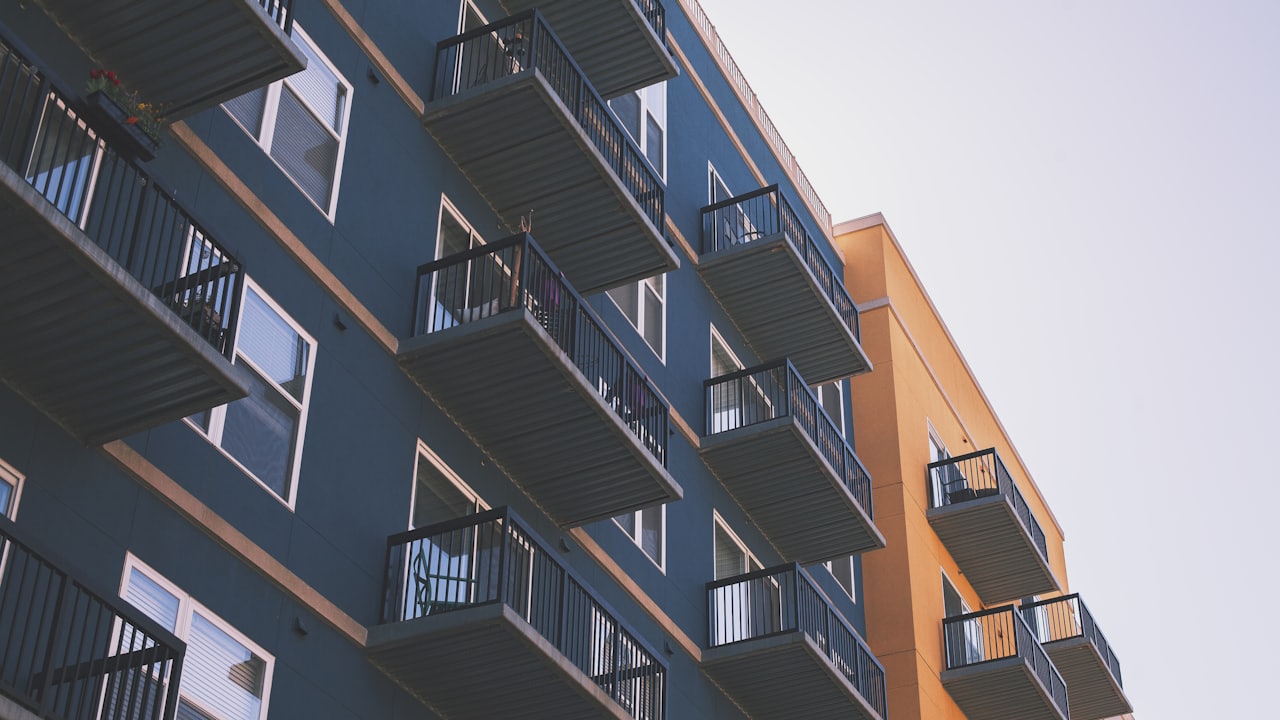
Apartment design is really income design. Every layout decision, how many units, what sizes, how they stack, where the meters go, quietly sets how much your building earns for the next twenty years. Get it right and you have a low-maintenance, fully occupied paupahan. Get it wrong and you pay for it every month in wasted space, repair bills, and vacancies. This guide covers apartment and townhouse design for the Philippine rental market, the layouts that maximize income per square meter, a low-cost build approach, and the compliance you cannot skip.
Design for income per square meter, not just for looks
The most profitable apartment is not the prettiest, it is the one that turns the most of your lot into rentable, rentable-again floor area. Three levers decide that:
- Unit mix. Smaller units, studios and one-bedrooms, usually earn more rent per square meter than large ones, and near schools or BPO hubs they fill fastest. In family neighborhoods, two-bedroom units stay occupied longer. Match the mix to your location's demand.
- Repeatable units. Design one or two efficient unit types and repeat them. Identical units stacked on each floor mean plumbing and electrical lines align, which is the single biggest way to cut build and repair cost.
- Minimal dead space. Hallways and stairs are necessary, but every square meter not earning rent should justify itself. A tight, rectangular footprint wastes the least.
A low-cost apartment building design that rents well
You do not need a high-end build to run a profitable apartment. A smart, low-cost apartment design in the Philippines usually comes down to:
- Rectangular footprint. Square and rectangular structures are cheaper to build and waste less space than irregular shapes.
- One repeated unit module. Perfect one good unit layout, then repeat it, this cuts design fees, material waste, and future repairs.
- Separate meters per unit. Sub-meter or separately meter electricity and water so each tenant pays their own usage. This single choice prevents most utility disputes.
- Spend where tenants feel it. Reliable water pressure, ventilation and natural light, and secure doors and locks keep tenants longer than any cosmetic finish.
- Durable, low-maintenance finishes. Tiled floors, washable paint, and simple fixtures survive tenant turnover and keep your repair costs down.
The goal is the lowest cost per rentable unit that tenants will pay for, and stay in.
Apartment vs boarding house: which design earns more?
If you are deciding what to build on your lot, this is the core trade-off:
- Apartments are self-contained units, own kitchen, bathroom, and entrance. They attract longer-staying tenants, are simpler to manage, and command higher rent per unit. Income per square meter is solid but not the highest.
- Boarding houses and bedspace rent rooms or beds with shared facilities. They earn more per square meter, but with higher turnover and more day-to-day management.
Neither is universally better, it depends on your location, budget, and how hands-on you want to be. Many owners on a larger lot do both: apartments for stability, plus a few bedspace rooms for yield. If the shared-room route interests you, see our guide to boarding house design in the Philippines.
Compliance: permits and codes before you build
An apartment for rent is both a business and a building. Before you accept tenants, secure your barangay clearance, building permit, business permit (mayor's permit), and DTI registration, and make sure the structure meets the National Building Code and Fire Code (clear exits, extinguishers, proper wiring). Register with the BIR and issue receipts, your rental income is taxable. If your units fall under it, the Rent Control Act (RA 9653) caps deposits and advances and limits rent increases.
Design with management in mind
Good apartment design does not stop at the building, it includes how you will run it. A few choices make day-to-day management far easier:
- Separate meters so billing is fair and automatic, not a monthly argument.
- A clear unit-numbering scheme so payments, receipts, and repairs map cleanly to each door.
- A solid lease for every unit, use our free sample contract of lease, and a rent receipt template for every payment.
Once the building is up, the work becomes tracking rent, occupancy, and income per unit, exactly what a management app handles, so a multi-door apartment does not turn into a notebook full of who-paid-what.
Frequently asked questions
What is the best apartment layout for rental income in the Philippines?
The layout that earns most per square meter for your location. Near schools and BPO hubs, more smaller units (studios, one-bedrooms) usually beat fewer large ones; in family areas, two-bedroom units stay occupied longer. The most profitable small buildings repeat one or two efficient unit types stacked on each floor.
How many units should a small apartment building have?
It depends on your lot and budget, but stack identical units so plumbing and electrical align. Four to eight doors is common for a small paupahan; the right number maximizes rentable floor area while leaving room for stairs, parking if needed, and circulation.
What is the difference between an apartment and a boarding house?
An apartment is a self-contained unit with its own kitchen, bathroom, and entrance, rented whole. A boarding house rents rooms or beds with shared facilities and house rules. Apartments attract longer-staying tenants and are simpler to manage; boarding houses earn more per square meter but have higher turnover.
How do I design a low-cost apartment building in the Philippines?
Keep the footprint rectangular, repeat one efficient unit module, stack units so utility lines align, and separate-meter each unit. Spend on water pressure, ventilation, and security; use durable, low-maintenance finishes. Aim for the lowest cost per rentable unit that tenants will pay for and stay in.
An apartment that earns is designed twice, once as a building, and once as a business. Lay it out for income per square meter, build it lean and durable, stay compliant, and run it on a system that keeps every door straight. When you are ready to manage your apartment the smart way, you can start free with ArmaRenta.
Sources & further reading
- National Building Code of the Philippines (PD 1096), full text at the Lawphil Project.
- Business registration for a rental enterprise, Department of Trade and Industry, bnrs.dti.gov.ph.
- Rent Control Act of 2009 (RA 9653) and BIR registration, see bir.gov.ph.
- Our related guides: boarding house design, how to start a paupahan business, sample contract of lease, and rental income tax.
This article is general information for Filipino landlords, not legal, tax, or engineering advice. Permit and building requirements vary by LGU, confirm with your barangay, city hall, and a licensed professional before building.

Eli is the founder of ArmaRenta, the property management app built for Filipino landlords. He writes about running a paupahan the smart way, clear contracts, on-time rent, and staying compliant without the stress.